info@almarasoap.com


- Body
- Scrubs & Peelings
- Mojito | Body Scrub
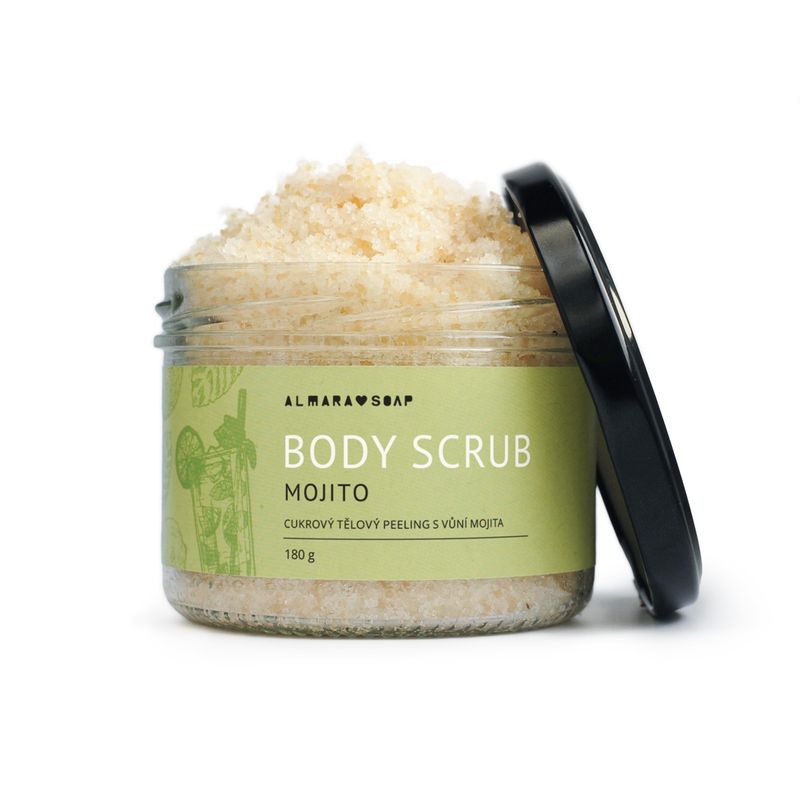


Mojito | Body Scrub
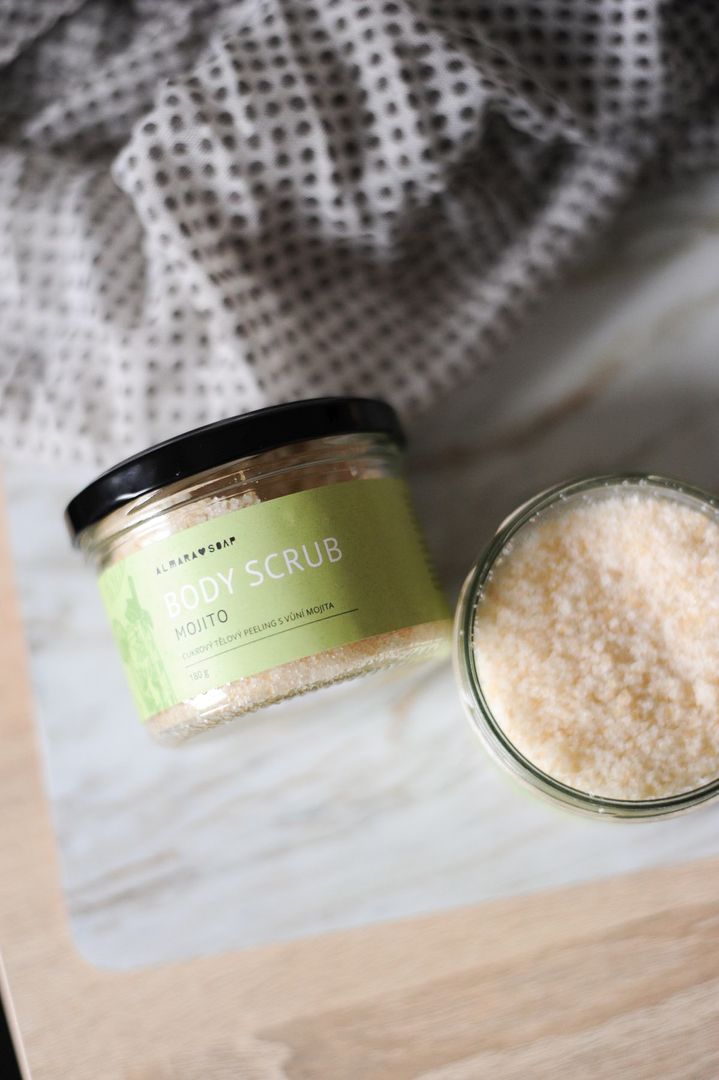
Natural body scrub with mojito scent


Gentle exfoliation, smooth skin and a fresh citrus–mint fragrance
Natural body scrub that helps smooth the skin, leave it soft and make regular body care more enjoyable.
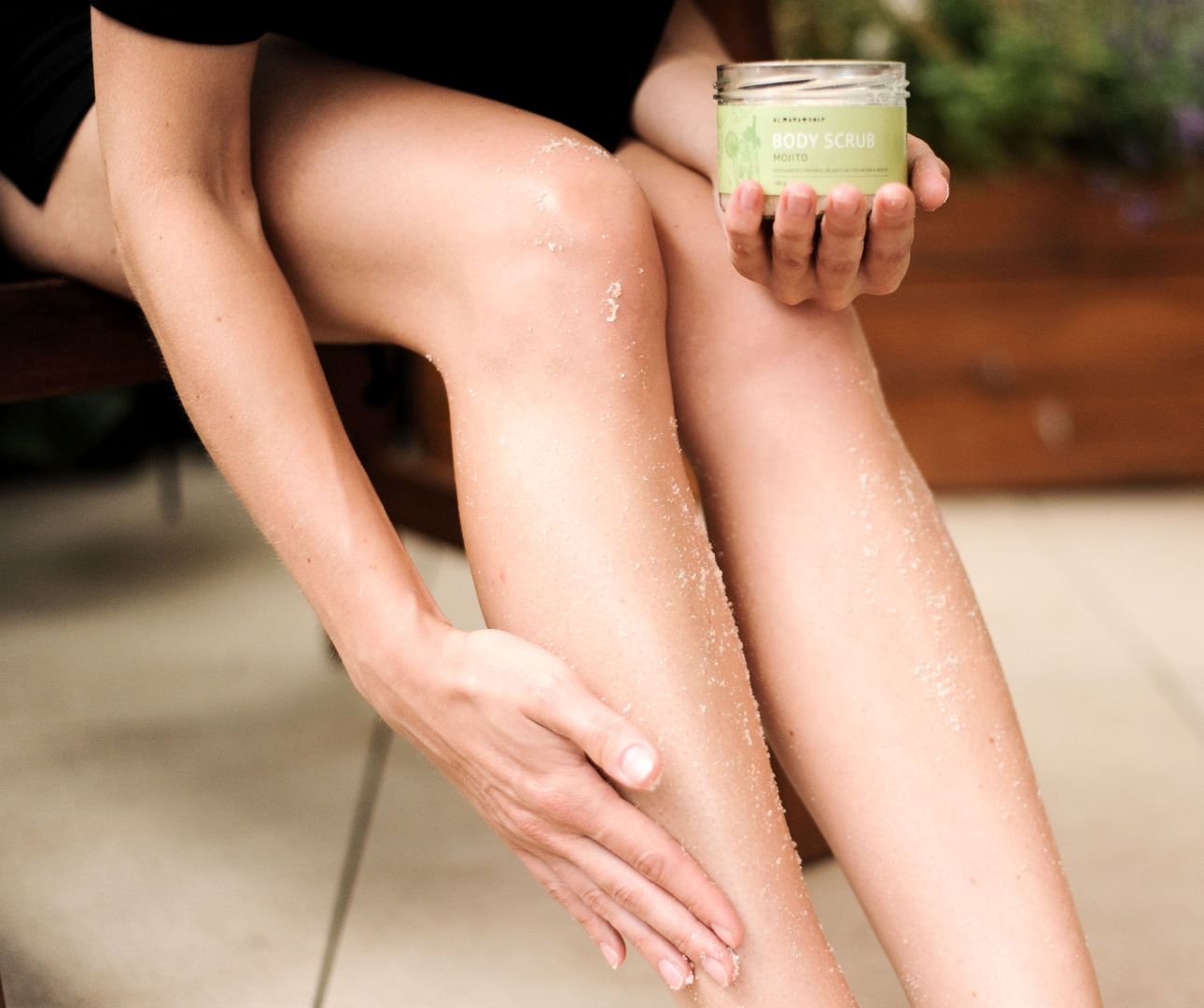
The scrub helps remove dead skin cells, supports a smoother-looking skin surface and leaves the skin soft and comfortable. Thanks to its oil-based formula, it spreads easily and does not leave the skin feeling dry after rinsing.
Mojito has a fully natural formula and contains organic-quality ingredients. The base consists of organic cane sugar and fine sea salt. The formula is enriched with sunflower and castor oils that help soften the skin and provide comfort during use.
The fragrance is created by a blend of 100% essential oils of mint, lime and lemon. The result is a fresh, clean and energising character inspired by a summery atmosphere. Due to the essential oils, it is especially suitable for normal and oilier skin and is not recommended for sensitive skin.
How to use
We recommend using the scrub 1–2 times per week on damp skin. Massage gently in circular motions and rinse thoroughly. Usually, there is no need to apply body lotion or body oil afterwards.
Packed in a glass jar with a metal lid that can be reused after emptying.
Content: 180 g
In case of allergic reaction, discontinue use. Avoid contact with eyes, rinse with water in case of contact.
 Free shipping from
59 EUR
Free shipping from
59 EUR
Composition and ingredients
sea salt, organic light brown sugar, dark brown sugar, sunflower oil, castor oil cold pressed, lemon essential oil, peppermint essential oil, lime essential oil
Inci
Maris Sal, Sucrose, Helianthus annuus Seed Oil, Ricinus communis Seed Oil, Citrus limon Peel Oil, Limonene, Citrus aurantifolia Oil, Mentha spicata Oil, Citral
Selected basic ingredients
Description
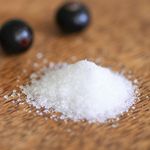
Sea salt is obtained by evaporating seawater, during which a dense salt solution is first created and then crystallized. It contains sodium chloride, potassium, calcium, iron, and iodine. Sea salt is used in the food industry to season food and, due to its positive effects on the skin, also in cosmetics.
Learn more
Description
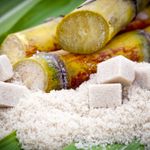
Brown sugar is a food ingredient obtained by boiling sugar cane juice, which is produced by pressing sugar cane (Saccharum officinarum). Unlike white sugar, it contains molasses and has not been chemically bleached. Molasses contains calcium, iron, sodium, potassium, chromium, zinc, selenium, manganese, molybdenum, copper, magnesium, phosphorus, and some amino acids. Brown sugar is most commonly used as a sweetener, but it also plays an essential role in cosmetic products.
Learn more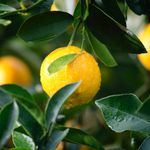
Description
Lemon is the fruit of the evergreen shrub or tree of the common lemon tree, which originates from Southeast Asia. Today, it is primarily cultivated in the subtropical zone. Lemons contain citric acid, vitamin C, vitamin B2, iron, zinc, calcium, magnesium, potassium, bioflavonoids, carotenoids, proteins, organic acids, pectin, limonene, and essential oils. The essential oil is extracted from the lemon peel, which has a fresh, clean aroma.
Learn more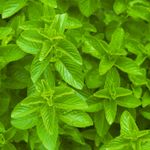
Description
Peppermint is a strongly aromatic perennial herb from the mint family (Lamiaceae). Peppermint has a strong sweet scent and a warm, pungent taste with a cooling flavor. The leaves are typically used fresh as a culinary herb, while the flowers are dried and used to flavor confections, desserts, beverages, salads, and other foods. Its essential oil is also widely used as an aroma. The plant is a hybrid of water mint (Mentha aquatica) and spearmint (M. spicata) and is cultivated in Europe, Asia, and North America.
Learn more
Description
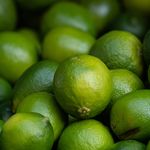
Lime (also known as lime fruit) is a collective term for citrus fruits categorized as acid fruits, similar to lemon. They are distinguished from lemons by their green color, smaller size, and lower acidity. They are harvested when unripe, and the color is mostly green, although yellow-green specimens can also be found. The inside of a lime differs from that of a lemon only in color.
There is a vast number of cultivated hybrid forms. They are primarily grown in tropical regions, where they replace subtropical lemons. These limes tend to be sweet.
Learn moreRelated products (6)